
Illinois to Ban Nonbiodegradable Plastic Glitter in Personal Care Products by 2029
Illinois will prohibit nonbiodegradable plastic glitter in personal care products by 2029, impacting manufacturers, retailers, and regulators alike.

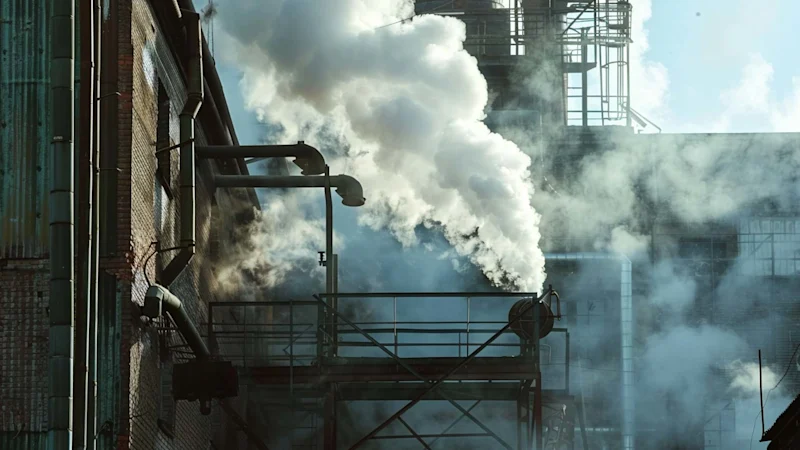
The U.S. Environmental Protection Agency (EPA) has announced a series of enforcement actions to address deficiencies in safety plans at eight facilities in Arizona, California, and Nevada that store or use hazardous chemicals. The Clean Air Act mandates that facilities using extremely hazardous substances must develop and implement risk management plans. These plans should outline the potential effects of a chemical accident, preventive measures, and emergency response procedures.
“It’s imperative to the safety of local communities and emergency responders – and it’s the law – that facilities with flammable and toxic chemicals act to prevent accidents and to have proper response procedures in place,” said EPA Pacific Southwest Regional Administrator Martha Guzman. “These enforcement actions represent EPA’s commitment to holding accountable facilities that have failed to follow our nation’s critical chemical safety laws.”
At the K2 Pure Solutions Nocal facility in Pittsburg, California, which manufactures bleach, chlorine, and hydrochloric acid, the EPA discovered significant safety issues during a 2020 investigation. The issues included incomplete documentation of the facility’s pressure relief system, failure to timely address safety recommendations, and inadequate procedures for testing emergency response equipment.
In August 2021, the EPA ordered the facility to rectify these deficiencies. By April 2024, K2 had addressed most issues. The EPA reached a settlement requiring K2 to pay an $85,189 civil penalty and address the remaining deficiencies, including:
Under the agreement, K2 will also provide Contra Costa Health Services with emergency response resources through a supplemental environmental project (SEP). The SEP includes $264,990 in emergency response equipment, such as devices for detecting, identifying, and quantifying toxic industrial chemicals, and $98,041 for chlorine emergency response training. These projects will supply local responders near the K2 facility with essential equipment and training.
The EPA also assessed penalties to several facilities for late submission of Risk Management Plans (RMPs):
These enforcement actions underline the EPA's commitment to ensuring chemical safety and compliance with national safety laws to protect both communities and emergency responders.
Foresight continuously tracks 1000s of sources and maps updates to your portfolio:



Illinois will prohibit nonbiodegradable plastic glitter in personal care products by 2029, impacting manufacturers, retailers, and regulators alike.

ChemSec updates the SIN List with neurotoxicants, spotlighting brain-damaging chemicals and urging EU regulators to act swiftly on these hidden threats.
EFSA launches consultation on updating its Weight of Evidence and Biological Relevance guidance, aiming to streamline chemical risk assessment practices.
Subscribe to Foresight Weekly and get the latest insights on regulatory changes affecting chemical compliance.
Free forever. Unsubscribe anytime.
Read by professionals at


